What Does a Nephrologist Do?
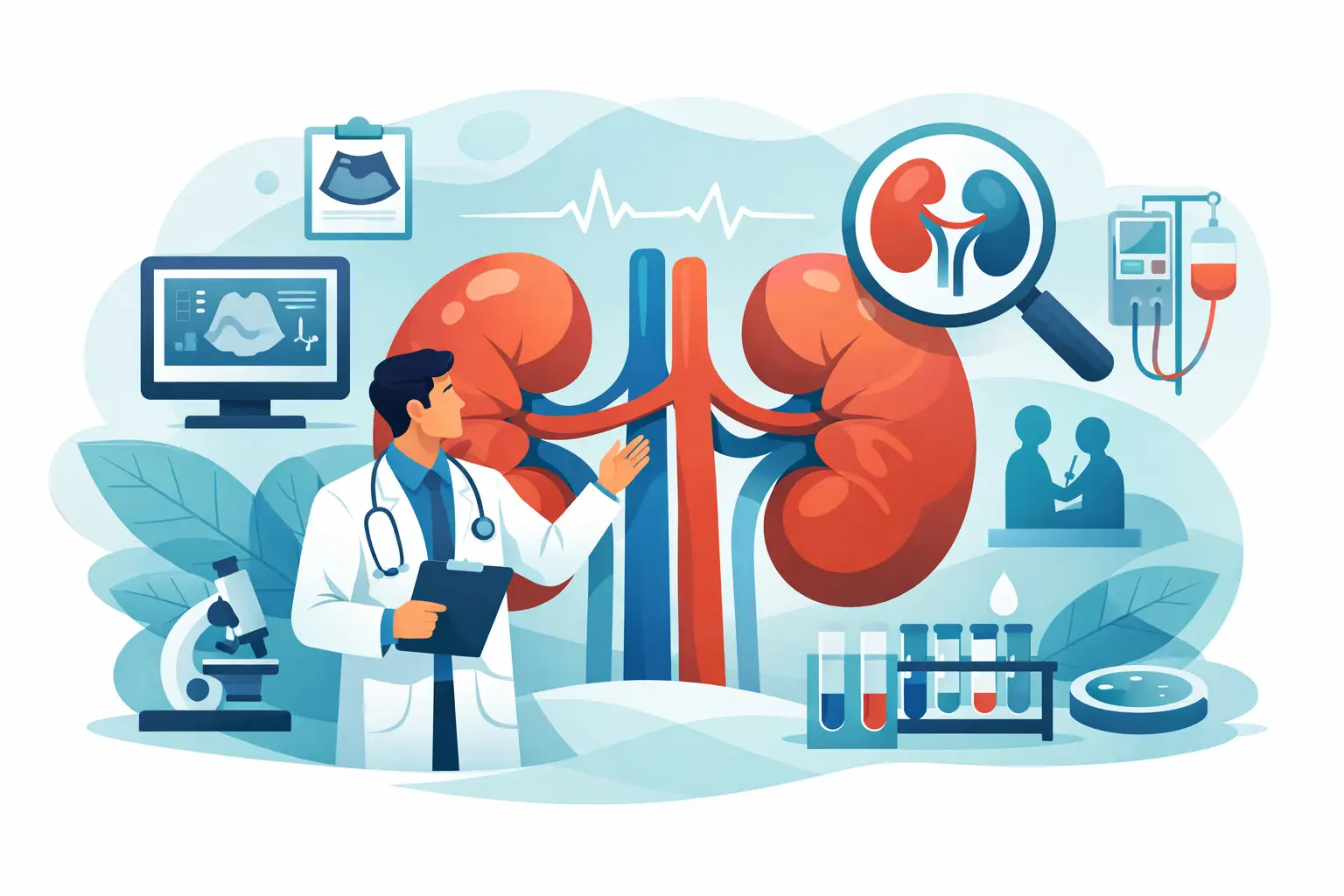
What does a nephrologist do? Learn how kidney specialists diagnose CKD, manage dialysis, treat hypertension, and handle urgent renal care.
A rising creatinine result, swelling in the legs, protein in the urine, or blood pressure that stays uncontrolled despite treatment often leads to the same question: what does a nephrologist do? The short answer is that a nephrologist is a physician who specializes in kidney function, kidney disease, hypertension related to renal disorders, and dialysis care. The fuller answer matters more, because nephrology is not limited to one test result or one procedure. It is the medical specialty responsible for protecting kidney function, identifying why it is declining, and guiding treatment when the kidneys can no longer do their job adequately.
For many patients, nephrology becomes relevant long before dialysis. A nephrologist evaluates how well the kidneys filter waste, regulate fluid balance, control electrolytes such as potassium and sodium, and support blood pressure stability. Because the kidneys affect multiple organ systems, this specialty often overlaps with internal medicine, diabetes care, cardiovascular risk reduction, and hospital-based acute care.
What does a nephrologist do in day-to-day practice?
In clinical practice, a nephrologist assesses patients with chronic kidney disease, acute kidney injury, resistant hypertension, electrolyte disorders, hematuria, proteinuria, kidney stones in selected cases, and complications related to dialysis or advanced renal failure. That includes reviewing laboratory trends, urine findings, imaging studies, medication lists, and the broader medical history.
A nephrologist does not simply confirm that kidney disease exists. The specialist works to define the cause, determine the stage, estimate the speed of progression, and identify complications that may be preventable or reversible. Two patients may have the same estimated glomerular filtration rate, or eGFR, yet require very different management depending on whether the underlying issue is diabetic kidney disease, glomerulonephritis, dehydration, medication toxicity, obstructive uropathy, or longstanding hypertensive damage.
This is where specialist oversight becomes valuable. Kidney disease is often silent in its earlier stages. Many patients feel relatively well even while function declines. A nephrologist interprets the details that general screening may detect but not fully explain.
Diagnosis is only one part of kidney care
A major part of nephrology is risk management. If a patient has early chronic kidney disease, the goal is often to slow progression, reduce cardiovascular complications, and avoid crises such as severe fluid overload or dangerous potassium elevation. That means adjusting medications, monitoring lab patterns over time, and coordinating with primary care physicians, endocrinologists, cardiologists, hospitalists, and dialysis teams when needed.
The kidneys are unusually vulnerable to common illnesses and common medications. Diabetes, hypertension, autoimmune disease, recurrent infections, dehydration, contrast exposure, and certain pain relievers can all contribute to renal injury. Some damage can stabilize if recognized early. Some cannot. A nephrologist helps distinguish between these scenarios and plans treatment accordingly.
There is also a practical dimension to this specialty. Patients with kidney disease often need repeated blood work, dietary guidance, blood pressure monitoring, anemia assessment, bone and mineral disorder management, and careful timing of referrals for dialysis access or transplant evaluation. Good nephrology care is not reactive medicine. It is structured surveillance with a clear plan.
What conditions does a nephrologist treat?
The most common condition managed by nephrologists is chronic kidney disease, especially when caused by diabetes or high blood pressure. Yet the scope is broader than many people realize. Nephrologists also treat acute kidney injury, nephrotic syndrome, glomerular diseases, inherited renal disorders, acid-base disturbances, sodium disorders, potassium abnormalities, and fluid balance problems.
Hypertension deserves special mention. Not every patient with high blood pressure needs a nephrologist, but some do. When blood pressure remains elevated despite multiple medications, when kidney function is worsening, or when there is protein in the urine, specialist evaluation is often appropriate. The relationship goes both ways: kidney disease can cause hypertension, and hypertension can accelerate kidney damage.
In hospital settings, nephrologists are frequently involved when patients become critically ill with sepsis, severe dehydration, heart failure, medication-related renal injury, or sudden declines in urine output. These cases can evolve quickly. Delays in specialist assessment may affect whether kidney injury is reversible.
Dialysis care is a central part of what a nephrologist does
Many people associate nephrologists primarily with dialysis, and that association is understandable. When kidney function falls to the point that waste products, fluid, and electrolyte imbalances can no longer be safely controlled by the body alone, dialysis may become necessary.
A nephrologist determines when dialysis is indicated, what type is most appropriate, and how treatment should be prescribed. That includes hemodialysis oversight, evaluation of dialysis access, management of intradialytic blood pressure issues, review of adequacy targets, and treatment of complications such as anemia, volume overload, cramping, hyperkalemia, and metabolic acidosis.
This work requires ongoing physician management, not just a one-time decision. Dialysis prescriptions must be adjusted to the patient’s clinical condition, residual kidney function, nutritional state, and cardiovascular tolerance. A frail older adult with heart disease may need a different clinical strategy than a younger patient with a more stable volume status.
There is also a logistical side that patients often do not see until it becomes urgent. If a person on dialysis is traveling, relocating temporarily, or presenting in an emergency without prior local arrangements, nephrology coordination becomes essential. Continuity of treatment depends on accurate records, timing, access status, hepatitis screening requirements, and facility availability. For travelers, this can mean the difference between a safe trip and a medical crisis.
When should you see a nephrologist?
Referral timing matters. Some patients are seen only after kidney disease is advanced, when fewer options remain. Earlier referral often allows for better blood pressure control, medication optimization, education about renal protection, and planned preparation if dialysis may eventually be required.
A nephrology consultation is commonly appropriate when blood tests show declining kidney function, when urine testing reveals persistent protein or blood, when blood pressure is difficult to control, or when swelling, electrolyte abnormalities, or recurrent kidney-related hospitalizations develop. Patients with long-standing diabetes or severe hypertension may also benefit from specialist assessment before major complications appear.
That said, not every abnormal lab requires long-term nephrology follow-up. Sometimes a transient illness, dehydration episode, or medication effect is responsible. A careful evaluation helps determine whether the finding is temporary, chronic, or progressive.
What happens at a nephrology appointment?
A proper nephrology consultation is usually more detailed than patients expect. The physician reviews trends, not just single values. Creatinine, eGFR, urinalysis findings, albuminuria, potassium, bicarbonate, calcium, phosphorus, hemoglobin, and blood pressure patterns all contribute to the assessment. Imaging may be relevant, particularly if structural disease, cysts, obstruction, or asymmetric kidneys are suspected.
Medication review is critical. Common pain medications, certain antibiotics, contrast agents, herbal supplements, and even standard blood pressure treatments may need adjustment depending on renal function. In many cases, the visit also includes education on diet, fluid balance, and warning signs that should prompt urgent medical attention.
Patients sometimes expect a quick answer and one prescription. Nephrology is rarely that simple. Kidney disease is often a long-course condition that requires repeated reassessment and close interpretation of small changes over time.
What does a nephrologist do differently from other doctors?
Primary care physicians and internists are essential in detecting kidney problems, and many early abnormalities are appropriately managed in general medical practice. The difference is depth of focus. A nephrologist is trained to interpret renal physiology, understand disease mechanisms specific to the kidney, and make treatment decisions in situations where fluid status, blood pressure, electrolyte balance, and renal replacement therapy intersect.
This becomes especially important when decisions carry high stakes. Starting dialysis too early may expose a patient to unnecessary burden. Starting too late can be dangerous. Lowering blood pressure aggressively may protect the kidneys in one case but worsen perfusion in another. Restricting fluids may help one patient and harm another. Renal medicine depends heavily on clinical context.
That is also why physician-led nephrology services matter in emergency intake settings and across dialysis programs. Patients with acute renal complications often need rapid triage, immediate interpretation of lab abnormalities, and direct specialist judgment rather than delayed administrative routing.
In Jamaica, practices such as Dr. Roger N. Smith’s nephrology service have built care pathways around that reality, combining consultation, dialysis oversight, emergency coordination, and patient education under one specialist standard.
Why this specialty matters even before kidney failure
The most effective nephrology care often happens before a patient ever needs dialysis. Slowing chronic kidney disease by even a few years can change quality of life, reduce hospitalization risk, and preserve treatment options. It can also create time for planned access placement, transplant discussion, and family education rather than rushed decision-making during a crisis.
For patients already on dialysis, the nephrologist remains central. For patients with diabetes, hypertension, autoimmune disease, or unexplained abnormal kidney tests, the nephrologist may be the physician who clarifies what is happening and what should happen next.
If you have been asking what does a nephrologist do, the practical answer is this: the nephrologist is the specialist who stands between early warning signs and avoidable renal decline, and between advanced kidney failure and unsafe, fragmented care. Knowing when to involve that specialist can make the course ahead more controlled, more informed, and far less uncertain.
Need Professional Advice?
Dr. Roger Smith and the team at Renal Services Limited offer specialized consultations, including clinical reviews of new therapies, at our offices in Jamaica.