How to Prevent Kidney Disease Progression.
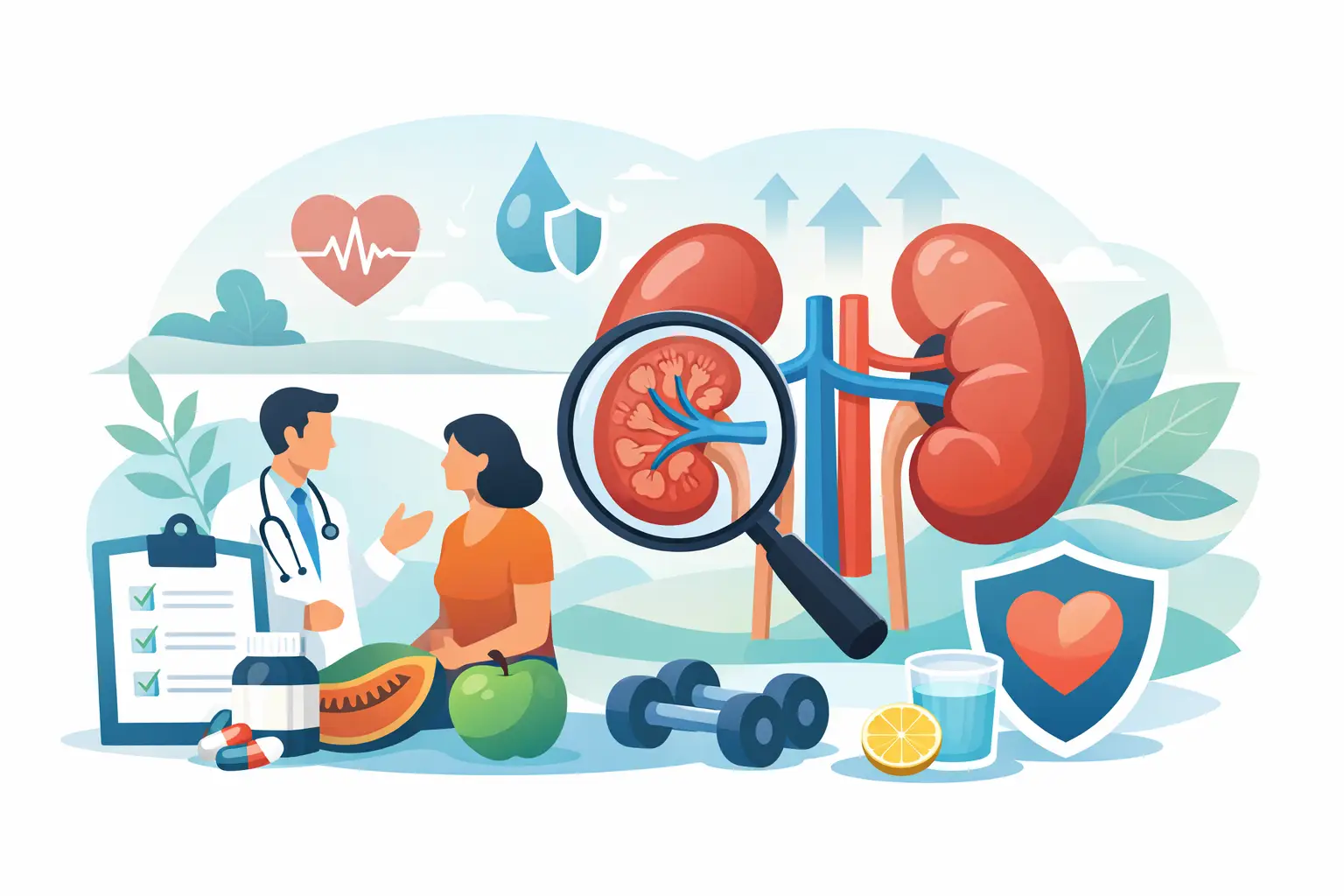
Learn how to prevent kidney disease progression with specialist-led strategies for blood pressure, diabetes, diet, medications, and follow-up care.
Kidney decline rarely happens all at once. In most patients, it advances quietly through missed blood pressure targets, uncontrolled diabetes, repeated dehydration, poorly chosen medications, or delays in specialist review. To prevent kidney disease progression, treatment has to be deliberate, measured, and sustained over time.
That is the central challenge in chronic kidney disease care. Many patients feel reasonably well while kidney function is already falling. By the time swelling, fatigue, nausea, or shortness of breath become obvious, damage may be advanced. The goal of nephrology care is not simply to react to kidney failure. It is to identify what is driving the loss of function, slow the rate of decline, and reduce the risk of dialysis, hospitalization, cardiovascular events, and premature death.
What it means to prevent kidney disease progression
Preventing progression does not usually mean restoring the kidneys to normal. In clinical practice, it means preserving remaining function for as long as possible and reducing complications that accelerate decline. For one patient, that may mean years of stability after tighter blood pressure control. For another, it may mean slowing a rapid fall caused by uncontrolled diabetes, heavy protein in the urine, recurrent infections, obstruction, or inflammatory kidney disease.
This is why kidney care should never be reduced to one lab value. Serum creatinine, estimated GFR, and urine protein all matter, but they only become useful when interpreted in context. Age, blood pressure pattern, medication exposure, underlying diagnosis, cardiovascular disease, anemia, acid-base status, and fluid balance all influence the treatment plan.
The major drivers of kidney function loss
High blood pressure and diabetes remain the two most common causes of chronic kidney disease worldwide. Both can injure the kidney's filtering units over many years, often before symptoms are recognized. If blood pressure is persistently elevated, pressure-related damage continues even when the patient feels well. If blood sugar remains above target, the kidneys are exposed to ongoing metabolic injury.
Protein leaking into the urine is another major concern. It is not just a marker of kidney disease. It is also a sign of active damage, and heavy proteinuria often predicts faster decline unless treated aggressively. Some patients also have structural disease such as polycystic kidney disease, recurrent kidney stones, enlarged prostate with obstruction, or scarring after repeated urinary infections. Others have immune-mediated kidney disorders that require a very different level of urgency.
There are also avoidable accelerants. Frequent use of anti-inflammatory pain medications such as ibuprofen or diclofenac can reduce kidney blood flow and worsen existing disease. Recurrent dehydration, herbal mixtures of uncertain composition, contrast exposure in high-risk settings, and untreated heart failure can all push kidney function lower.
Blood pressure control is one of the most effective ways to prevent kidney disease progression
Among all long-term interventions, blood pressure control remains one of the most reliable ways to preserve kidney function. This is particularly true when chronic kidney disease is accompanied by albumin or protein in the urine. The target varies by the individual patient's age, comorbidities, degree of albuminuria, and tolerance of treatment, but uncontrolled hypertension is rarely benign in kidney disease.
A common mistake is to judge control by occasional clinic readings alone. Some patients have acceptable values in the office but elevated readings at home. Others are overtreated and develop dizziness, falls, or worsening kidney perfusion. This is where structured follow-up matters. Medication adjustments should be guided by repeated measurements, kidney labs, potassium levels, and symptoms rather than guesswork.
Agents that block the renin-angiotensin system, such as ACE inhibitors or ARBs, are often used because they can lower blood pressure and reduce proteinuria. These medications require supervision. A mild rise in creatinine after starting therapy may be acceptable, but a larger change, significant hyperkalemia, or volume depletion demands reassessment.
Diabetes management and kidney preservation
For patients with diabetic kidney disease, glucose control has to be precise enough to reduce kidney and vascular injury without creating frequent hypoglycemia. The right target depends on age, comorbid disease, risk of low blood sugar, nutritional status, and overall treatment burden. There is no single number that suits every patient.
Newer therapies have changed kidney care substantially. Certain medications used for type 2 diabetes also show kidney-protective benefit, particularly in patients with albuminuria or reduced kidney function. Not every medication is appropriate at every stage of disease, and dose adjustment becomes more important as kidney function declines. This is why nephrology and diabetes care should be coordinated rather than managed in isolation.
Patients should also understand that good diabetes control is not only about fasting glucose. Long-term glycemic exposure, blood pressure, body fluid status, and cardiovascular risk all affect renal outcomes. A normal reading on one morning does not offset months of poor control.
Diet matters, but the diet must match the stage of disease
Patients often receive vague instructions such as "drink more water" or "avoid salt." That is not enough. Nutrition in chronic kidney disease should be individualized. Sodium restriction is important in many patients because excess salt worsens hypertension and fluid retention. Protein intake may need moderation, but extreme protein restriction can be inappropriate, especially in older adults or patients at risk of malnutrition.
Potassium and phosphorus do not need to be restricted automatically in every case. They depend on laboratory trends, medications, stage of kidney disease, and whether dialysis is already required. A patient with normal potassium should not necessarily be placed on an unnecessarily narrow diet. At the same time, a patient with recurrent hyperkalemia needs clear guidance and close review.
Fluid advice also depends on the clinical setting. Some patients need to avoid dehydration. Others with heart failure, edema, or advanced kidney disease may require fluid limits. This is one reason generic internet advice is often unsafe. Kidney diets are not one-size-fits-all.
Medications can protect the kidneys or harm them
Medication review is a core part of nephrology care. Drugs that were safe earlier may need dose adjustment once GFR falls. Some combinations increase the risk of acute kidney injury, especially during vomiting, diarrhea, fever, or poor oral intake. Patients with chronic kidney disease should know which medications deserve caution during intercurrent illness.
Nonsteroidal anti-inflammatory drugs are a frequent problem. So are over-the-counter supplements and herbal products with uncertain ingredients. Patients should also be asked about contrast studies, antibiotics, acid reducers, and diuretics. Safe prescribing in kidney disease is a technical issue, not a minor detail.
If kidney function worsens unexpectedly, the medication list should be reviewed early. Waiting until severe deterioration occurs can close the window for prevention.
Specialist monitoring changes outcomes
Not every patient with mild chronic kidney disease needs the same intensity of follow-up, but delayed referral remains a serious problem. Specialist review is particularly important when kidney function is falling quickly, proteinuria is significant, blood pressure is difficult to control, electrolytes are unstable, or the cause of disease is unclear.
A nephrologist does more than confirm laboratory abnormalities. The role includes defining the likely diagnosis, identifying reversible factors, adjusting medication strategy, managing anemia and mineral disorders, determining whether imaging or biopsy is warranted, and preparing appropriately if renal replacement therapy may eventually be needed.
In Jamaica, where care pathways may involve private consultation, hospital admission, dialysis access planning, and urgent renal intake across different settings, continuity under direct specialist oversight becomes even more important. Patients with advanced disease should not wait for an emergency to establish that relationship.
Prevent kidney disease progression by acting early during setbacks
Acute events often accelerate chronic disease. Vomiting, diarrhea, infection, urinary obstruction, heart failure exacerbation, and sepsis can all cause abrupt kidney injury on top of chronic impairment. Some patients recover partially. Others do not return to baseline.
That is why patients with chronic kidney disease need a clear plan for acute illness. Reduced urine output, sudden swelling, shortness of breath, chest symptoms, confusion, uncontrolled blood pressure, or missed dialysis treatments are not issues to observe casually at home. Early intervention can prevent a temporary setback from becoming permanent loss of function.
For travelers who require dialysis or who have advanced kidney disease, continuity planning is also essential. Missed treatments, undocumented medication changes, and poor communication between facilities create unnecessary risk. Organized renal coordination is not a convenience issue. It is part of safe care.
What patients should focus on now
The most useful starting point is not fear. It is clarity. Know your diagnosis if one has been established. Know your blood pressure target, your kidney function trend, whether protein is present in the urine, and which medications are specifically intended to protect renal function. If you do not know whether your disease is stable or worsening, that uncertainty should be addressed directly.
Patients often ask whether progression can truly be slowed. In many cases, yes. Not always stopped, and not always reversed, but slowed in a meaningful way. Months matter. Years matter. Avoiding one episode of acute kidney injury matters. Reaching blood pressure control matters. So does getting expert review before the situation becomes urgent.
Kidney care works best when it is proactive, data-driven, and consistent. If your kidney function is declining, the next right step is not to wait for symptoms to become dramatic. It is to bring the disease under disciplined specialist management while there is still kidney function left to protect.
Need Professional Guidance?
Dr. Roger Smith and the team at Renal Services Limited offer comprehensive consultations, laboratory review, and personalized kidney education programs in Jamaica.