Can Dehydration Injure Kidneys?
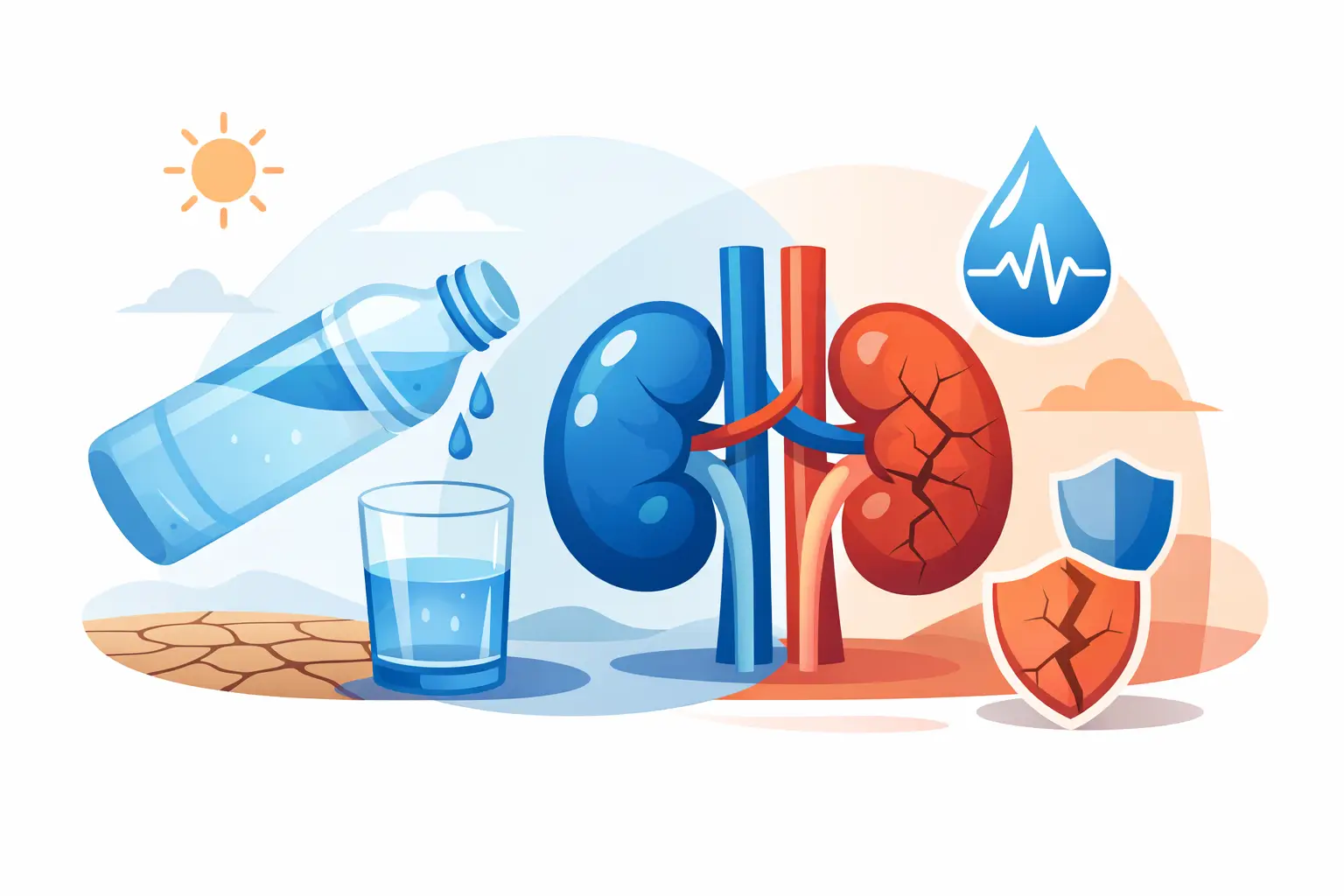
Can dehydration injure kidneys? Learn how fluid loss reduces kidney blood flow, when risk becomes urgent, and how to protect kidney function safely today.
A day of vomiting, diarrhea, heavy sweating, or poor fluid intake can do more than leave a person thirsty and tired. Can dehydration injure kidneys? Yes. Significant fluid loss can reduce blood flow to the kidneys and trigger acute kidney injury, particularly in people with chronic kidney disease, diabetes, hypertension, heart disease, or advanced age.
The kidneys require an adequate, steady blood supply to filter waste, regulate electrolytes, and maintain fluid balance. When the body is dehydrated, it prioritizes circulation to vital organs. Kidney filtration may fall as a result. In many cases, prompt treatment restores kidney function. However, prolonged or repeated dehydration can cause serious complications and may worsen existing renal disease.
How Dehydration Affects Kidney Function
The kidneys filter blood through millions of microscopic units called nephrons. This filtration depends on blood pressure, circulating fluid volume, and the normal function of blood vessels within the kidney. Dehydration lowers the volume of fluid circulating in the bloodstream. As blood flow to the kidneys decreases, the glomerular filtration rate can decline.
Clinicians often describe this early problem as prerenal acute kidney injury. “Prerenal” means the cause begins before blood reaches the kidney tissue itself. If circulation is restored quickly through appropriate oral or intravenous fluids, the injury may be reversible.
The risk becomes greater when dehydration is severe or prolonged. Persistently low kidney perfusion can lead to direct injury of kidney tubules, sometimes called acute tubular injury. At that stage, simply drinking fluids may not be enough, and hospital-based evaluation may be required. Blood testing may show a rising creatinine level, while urine output may decrease substantially.
Dehydration can also increase the concentration of minerals in urine, contributing to kidney stone formation in susceptible individuals. In hot climates, physically demanding work, fever, and gastrointestinal illness can all create rapid fluid losses that deserve careful attention.
Can Dehydration Injure Kidneys Permanently?
It depends on the severity, duration, and the patient’s underlying health. A mild episode of dehydration in an otherwise healthy adult will not usually produce permanent kidney damage. The concern is not occasional thirst after a busy day. The concern is substantial fluid loss, low blood pressure, reduced urine production, or repeated episodes of kidney stress.
For a person with normal kidney reserve, a short period of dehydration may cause a temporary rise in creatinine that improves after treatment. For someone with chronic kidney disease, the margin of safety is narrower. Even a relatively modest reduction in kidney blood flow may produce a meaningful decline in function.
Repeated acute kidney injury episodes are associated with a higher risk of chronic kidney disease progression. This is especially relevant for patients with diabetes or hypertension, two leading causes of kidney failure. A patient who already has protein in the urine, reduced estimated glomerular filtration rate, or a history of kidney injury should not assume that dehydration is harmless.
Some medications can increase risk during dehydration. Diuretics, often called water pills, can contribute to volume depletion. Nonsteroidal anti-inflammatory drugs such as ibuprofen and naproxen can reduce protective blood flow within the kidneys. Certain blood pressure medicines may also require temporary review during a serious vomiting or diarrheal illness. Medication changes should be made with guidance from a physician or qualified clinical team, particularly for patients with kidney disease, heart failure, or difficult-to-control blood pressure.
Who Is Most Vulnerable to Dehydration-Related Kidney Injury?
Kidney injury from dehydration can occur at any age, but it is more likely in patients with reduced physiologic reserve. Older adults may have a diminished sense of thirst or may limit fluids because of mobility concerns. Young children can lose fluids quickly with diarrhea or fever. Travelers may become ill away from their usual medical team and delay care.
Patients at higher risk include those with chronic kidney disease, a prior kidney transplant, diabetes, hypertension, heart failure, liver disease, or recurrent kidney stones. Individuals taking diuretics or multiple blood pressure medications also require closer monitoring during acute illness.
Dialysis patients require a different approach. They should not automatically increase fluid intake because fluid limits are individualized and excessive intake can cause shortness of breath, swelling, high blood pressure, and dangerous strain on the heart. A dialysis patient with vomiting, diarrhea, dizziness, low blood pressure, fever, or missed treatment needs direct advice from the dialysis unit or nephrology team. For international visitors receiving vacation dialysis in Jamaica, the same principle applies: acute symptoms should be communicated promptly to the coordinating dialysis and medical team.
Warning Signs That Require Prompt Medical Assessment
Thirst alone does not reliably measure the degree of dehydration, especially in older adults. Urine can become darker and less frequent when fluid intake is low, but urine color is only one clue. A clinician may need to assess blood pressure, pulse, weight change, kidney function tests, electrolytes, and urine findings.
Seek urgent medical assessment when dehydration is accompanied by:
- Very little urine, no urine for many hours, or a sudden major reduction in urine output
- Persistent vomiting or diarrhea that prevents adequate fluid replacement
- Fainting, confusion, severe weakness, rapid heartbeat, or low blood pressure
- Shortness of breath, chest pain, severe abdominal pain, or swelling in a patient with kidney or heart disease
- Fever with dehydration, particularly in older adults, transplant recipients, or people receiving dialysis
Emergency evaluation is also appropriate if a person with known kidney disease cannot keep down prescribed medications or is unsure whether medication doses should be held. Waiting for symptoms to become severe can allow a reversible problem to progress.
What to Do When Fluid Loss Begins
Early action matters. For mild fluid loss in a person without fluid restrictions, small and frequent amounts of fluid are generally better tolerated than large volumes taken at once. Water may be adequate after light sweating, but vomiting and diarrhea can also cause losses of sodium and other electrolytes. An oral rehydration solution may be appropriate in some cases.
Sugary sodas, alcohol, and large amounts of highly caffeinated drinks are poor choices for active rehydration. They may worsen stomach upset, increase urinary losses in some people, or provide inadequate electrolyte replacement. Sports drinks are not always ideal either, particularly for people with diabetes or kidney disease because their sugar, sodium, and potassium content varies considerably.
Patients with chronic kidney disease should follow their individualized fluid plan. If there is any concern about how much to drink, especially for those with heart failure, advanced kidney disease, or dialysis dependence, the safest course is to contact the treating team. Kidney care is not one-size-fits-all: the fluid strategy for a healthy person with diarrhea is different from the strategy for a patient who is prone to fluid overload.
During an acute illness, clinicians may recommend blood work to assess creatinine, urea nitrogen, potassium, sodium, bicarbonate, and other markers of kidney function. This is particularly important when symptoms last more than a day, urine output falls, or the patient is taking medicines that affect blood pressure and kidney circulation.
Preventing Avoidable Kidney Stress
Prevention begins with recognizing situations that cause fluid loss. Heat exposure, outdoor work, exercise, fever, and gastrointestinal infections warrant deliberate attention to fluid intake. Do not wait until severe thirst, dizziness, or very dark urine develops.
For people living with kidney disease, prevention also includes keeping regular nephrology appointments, understanding personal medication instructions for sick days, and knowing when to call for urgent advice. Maintaining blood pressure and diabetes control protects the kidneys between acute illnesses. Avoiding unnecessary nonsteroidal anti-inflammatory drugs is another practical safeguard, especially when dehydrated.
A sudden reduction in urine, ongoing vomiting or diarrhea, or new confusion should be treated as a clinical warning, not a problem to manage alone. Early assessment can protect remaining kidney function and, in many cases, prevent a short-lived illness from becoming a renal emergency.
Need Professional Guidance?
Dr. Roger Smith and the team at Renal Services Limited offer comprehensive consultations, laboratory review, and personalized kidney education programs in Jamaica.